
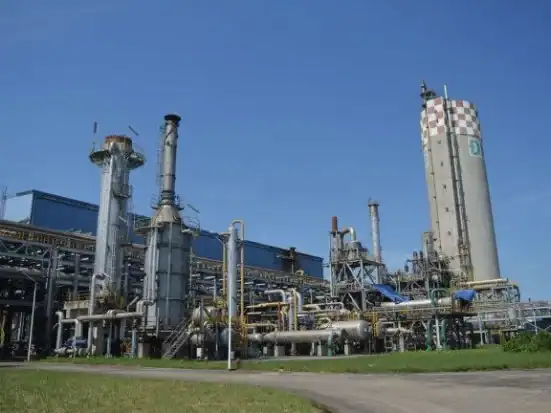
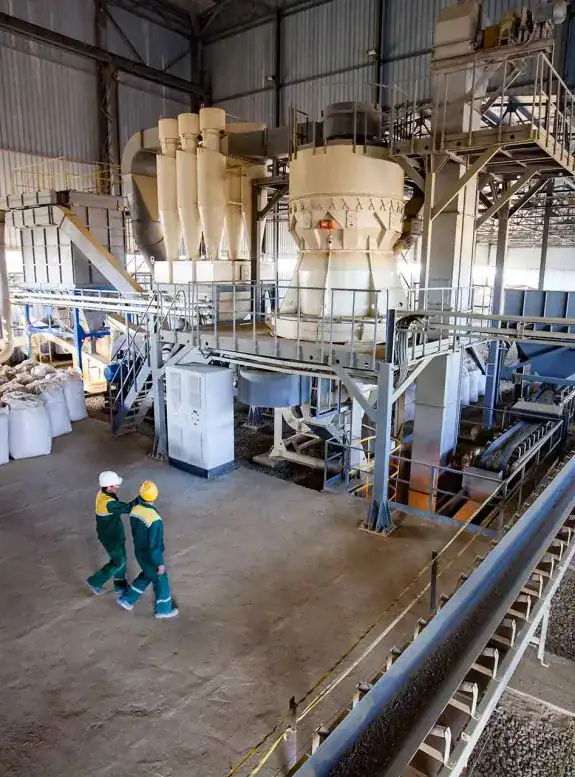
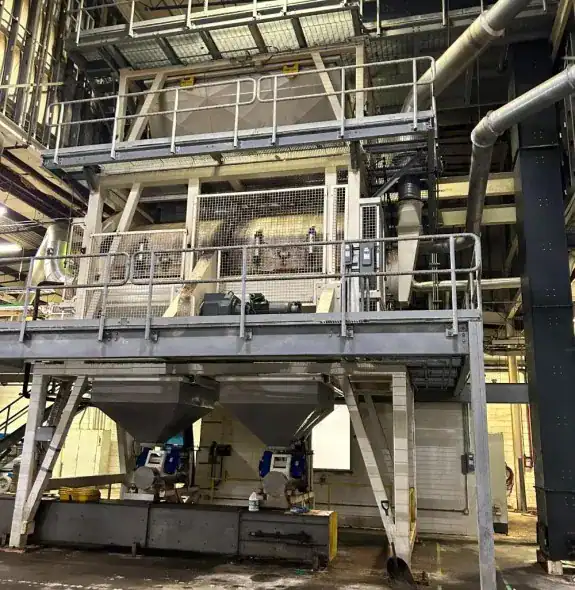
The fertiliser industry relies on non-negotiable temperature control to manage the exothermic reactions and drying cycles required for product formulation across batches. A tiny lapse in cooling or heating systems can cause granular quality deterioration or chemical reactions in materials, affecting the entire production line. We design precise thermal systems that replicate uniform fertilisation results across batches.
Fertiliser Industry
Engineering Precise Thermal Temperatures for Fertiliser Manufacturing
The Challenge of Critical Temperature Control in Fertiliser Production
Fertilisation demands intense heat levels that generic cooling systems are not built to manage. Most systems require constant maintenance to function well. If not compatible with your industry, you’ll notice:
- Granule quality loss - If the cooling is inconsistent during the prilling or granulation stages, it can lead to improper caking or drying, resulting in poor granule quality.
- Unexpected reactions - Manufacturing fertilisers like urea involves highly exothermic processes. If a lapse in temperature control occurs, it can trigger dangerous runaway reactions or result in off-spec batches.
- Rising utility costs: Inefficient, discontinuous heating leads to losses that can add up.
If your thermal system can’t keep up with your production line, your batch quality deteriorates as well. Our experts at Dynetics design fertiliser industry cooling systems that deliver consistently at set temperatures, preventing such product losses from occurring during manufacturing.
Worried About Batch Inconsistency and Off-Spec Fertiliser Production?
Partner with Dynetics to get thermal control that safeguards your product against reactions and enhanced production.
Thermal Solutions Built Around Your Fertiliser Manufacturing Process
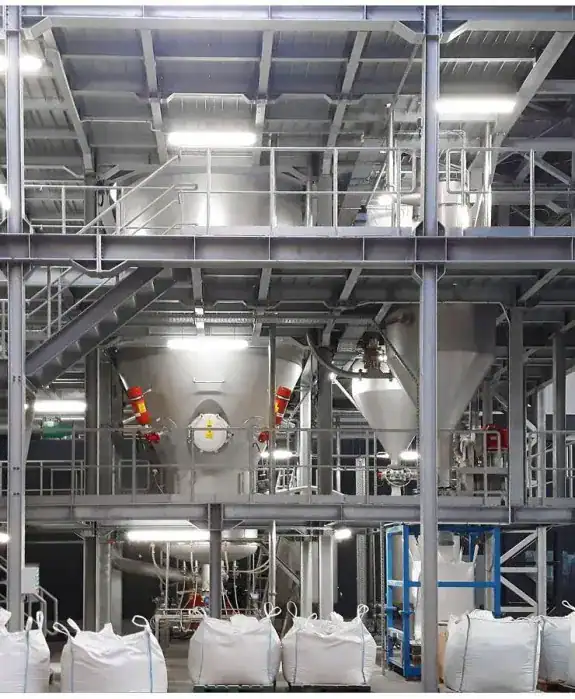
Our systems are engineered specifically to manage the high-intensity heat created during manufacturing while meeting your equipment and fertilisation demands. We offer:
- Temperature Control Units (TCUs) - Temperature control units are responsible for maintaining steady thermal levels to perfect the granulation, prilling, and compounding stages. By maintaining a regulated temperature even when raw material compositions shift, TCUs ensure optimal product yields.
- Cooling Systems - Raw materials used during the fertilisation process trigger chemical reactions that increase heat which can cause caking and lumping. This can in-turn lead to the creation of off-spec products. Our cooling systems stabilise the temperatures of granules and prills, contributing to a final product that holds better nutritional values and a longer shelf life.
- Hot Water Systems - Our vertical direct calorifier technology provides a steady supply of hot water to dissolve or slurry raw materials or heat them before they enter the granulator. They also contribute to the sanitation process to remove corrosive residues from your fertiliser plant process equipment. Our hot water systems help maintain ambient environment temperatures to ensure reactions always begin from a consistent thermal base.
Our engineers at Dynetics manufacture thermal regulation systems that perform consistently while contributing to every stage of the fertilisation process.
Thermal Applications Across the Fertiliser Industry
Our thermal cooling and hot water systems cater to manufacturing requirements of all kinds across the fertiliser industry. We design support systems that fit the process stage, raw material type, and desired outputs.
- Urea Manufacturing - Our hot water systems manage thermal temperatures during synthesis and prilling to manage the heat released by natural reactions.
- Ammonium Nitrate Production - Our thermal systems beat reaction sensitivity by holding steady temperatures, while cooling systems safeguard against granulation and crystalisation.
- NPK & Compound Fertilisers - Our advanced thermal systems ensure temperatures remain steady during the blending and granulation process. Additionally, they also support slurry pre-heating.
- Potash Processing - Our systems take care of granule integrity maintenance while controlling drying and cooling temperatures.
- Prilling Towers - Your prills will always be well-formed when our cooling systems maintain temperatures.
- Di-Ammonium Phosphate - Our cooling systems prevent granular caking and preserve structural integrity during the final storage and packaging stages.
- Single Super Phosphate - Our systems maintain the temperatures required for chemical conversion and product maturity.
Investing in a reliable cooling system guarantees the precise temperatures your equipment needs to run continuously and meet demanding production schedules.
Why Fertiliser Plants Choose Dynetics as Their Thermal Control Partner
Our engineers at Dynetics begin by understanding your goals, requirements, and production process before manufacturing a fertilisation support system that delivers.
Partnering with Dynetics gets you:
- 34+ years of thermal manufacturing and customisation solutions.
- Support systems designed specifically for your application and equipment.
- ISO 9001:2015 certification for quality management.
- CE-compliant systems and IBR-compliant fabrication capabilities
- Support across system maintenance, hardware upgrades, and reprogramming of legacy systems.
- Trusted by leaders across sectors, including L&T, BKT Tyres, MRL Tyres, Rubber King Tyres, HF Group (Germany), Solex Energy Limited, Omega Thermal and Polyhose.
As a leading thermal systems manufacturer in India, holding decades of experience across industries, our systems integrate energy efficiency, equipment-focused design, and precise thermal stability into your production cycle.
Let's Design a Thermal Solution Around Your Plastics Manufacturing Process
Every production target comes with expectations for quality, on-time delivery, and profitability. You've already invested in the right machines and production line, but even small temperature variations can lead to rejected parts, longer cycle times, and unnecessary production losses. We bridge that gap by delivering precision thermal systems that protect your product quality, stabilise your cycle times, and maximise your operational efficiency.
Need Support Systems That Are Tailored to Your Process?
Get in touch with our experts to manufacture tailored thermal solutions, specifically designed for your industry.