

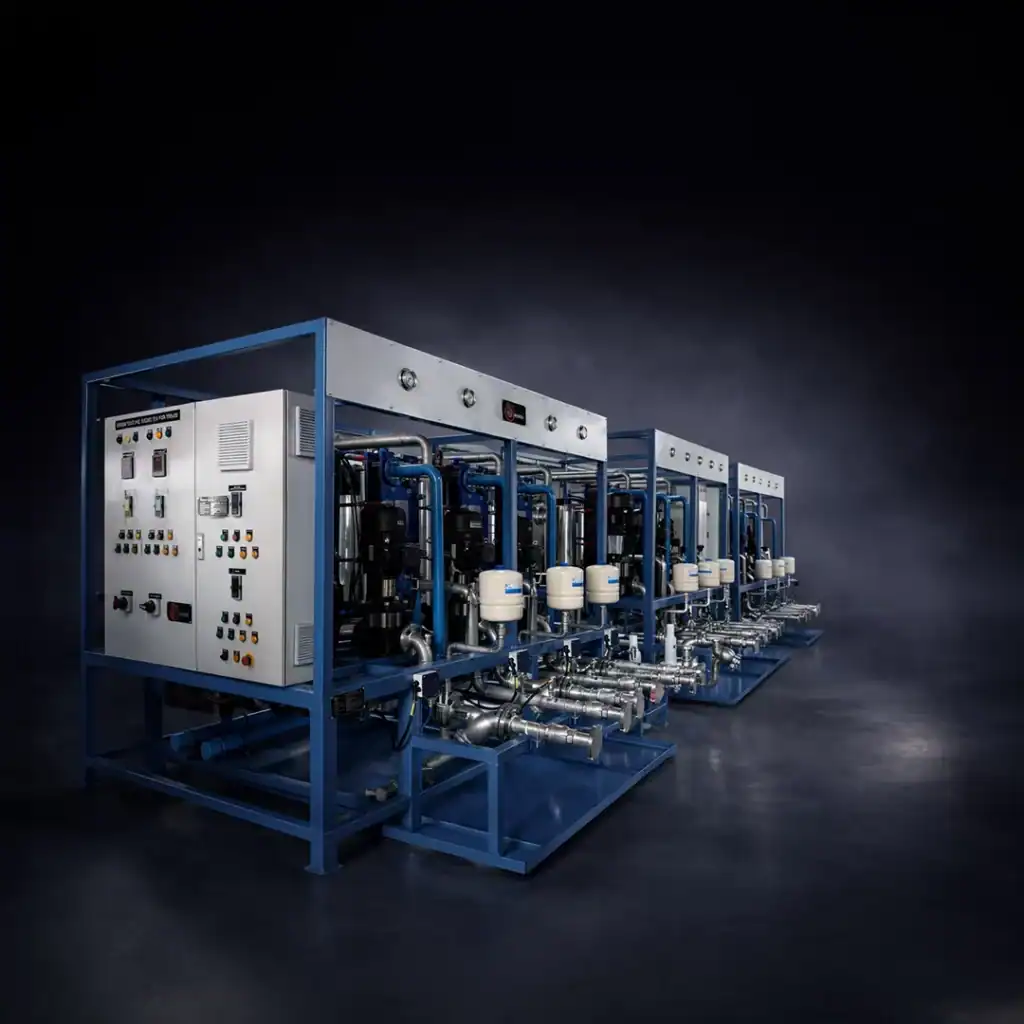
Replacing Electric Heater-Based Temperature Control Units (TCU) with Steam-Based Heating Systems

1 (1)

Background

A leading Tyre  processing manufacturer operating multiple extrusion, calendering and mixing lines was using conventional Temperature Control Units (TCUs) equipped with electric immersion heaters to maintain precise process temperatures. Although the electric heating system provided accurate temperature control, it resulted in significant electrical power consumption, particularly during production start-up and continuous operation.

A detailed review of the plant utilities revealed that low-pressure steam was already available in abundance from the central boiler house. The excess steam capacity was underutilized, presenting an opportunity to optimize the process heating system.

Objective

The objective of the project was to:

  • Reduce electrical power consumption of the TCUs.
  • Utilize the existing steam infrastructure more effectively.
  • Improve overall plant energy efficiency.
  • Reduce operating costs without compromising temperature control accuracy.
  • Minimize the carbon footprint associated with electrical heating.

Existing System

The original TCUs incorporated:

The electric heaters accounted for the majority of the TCU’s connected electrical load and contributed significantly to operating costs.

Proposed Solution

Dynetics developed a customized Steam-Based Temperature Control Unit that replaced the electric immersion heaters with a high-efficiency steam-to-water(Shell & Tube) heat exchanger.

The modified TCU consisted of:

Instead of converting electrical energy into heat, the unit utilized thermal energy available from the plant’s steam network to heat the circulating process water.

Engineering Challenges

Several engineering considerations were addressed during implementation:

The control philosophy was optimized to ensure smooth modulation of the steam control valve, preventing temperature overshoot and maintaining stable process conditions.

PARTNER WITH INDUSTRY EXPERTS

Transform Your Process Performance with Dynetics

Leverage over three decades of engineering expertise to optimize production, improve process stability, and achieve long-term operational success.

Results

Significant Reduction in Electrical Consumption

The electric heating load was almost entirely eliminated, leaving only the circulation pump, control system, and auxiliary equipment as electrical consumers.

Lower Operating Cost

Since steam was already generated for other plant operations, utilizing this existing thermal energy substantially reduced the operating cost of the TCUs.

Improved Energy Utilization

The project enabled effective utilization of surplus steam that would otherwise remain underutilized, improving the overall efficiency of the plant utility system.

Reduced Carbon Emissions

The reduction in electrical energy demand contributed directly to lower indirect greenhouse gas emissions associated with power generation.

Improved Reliability

Steam heat exchangers contain fewer electrical heating components, resulting in reduced maintenance requirements and improved long-term reliability.

Customer Benefits

  • Significant reduction in electricity consumption.
  • Lower annual operating expenditure.
  • Better utilization of existing steam infrastructure.
  • Consistent and precise temperature control.
  • Reduced maintenance associated with electric heating elements
  • Increased sustainability through improved energy efficiency.
  • Rapid return on investment through utility cost savings.

Conclusion

The successful implementation of steam-based Temperature Control Units demonstrated that existing plant utilities can be effectively leveraged to improve process efficiency and reduce operating costs. By replacing electric immersion heaters with a steam heat exchanger, the customer achieved substantial energy savings while maintaining the same level of process temperature control and operational reliability.

This project highlights how thoughtful engineering and utility integration can deliver both economic and environmental benefits, making steam-based TCUs an attractive solution for facilities where steam is readily available.

Let's Build Better Process Performance

Ready to Optimize Your Thermal & Process Systems?

Partner with Dynetics to improve process stability, energy efficiency, and operational reliability through customized thermal engineering and automation solutions.